Hair loss can feel frustrating—and confusing. There are so many treatments out there, but one method that has gained real attention in both clinics and research is microneedling.
The earliest form of microneedling, acupuncture, traces its roots to the Chinese centuries ago. A French skin rejuvenation technique, called nappage, has been used within the past fifty years. Nappage is another form of microneedling in which microincisions are made into the skin placing a drop of vitamins, minerals and antioxidants to replace depleted cellular levels.
The publication entitled “Subcutaneous Incision-less (Subcision) Surgery for the Correction for Depressed Scars and Wrinkles" by D.S. Orentreich et al., Dermotol Surg, 1995,21:543-549, discloses a skin treatment, in which, subcision with a needle is used to treat wrinkles near the lip lines. These early micro needling uses were primarily for skin rejuvenation and collagen enhancement.
A publication entitled “The Effects of Autologous Platelet Rich Plasma and Various Growth Factors on Non-transplanted Miniaturized Hair” by J. Greco, R Brandt, Hair Transplant Forum International, March-April 2009 was a research grant that discloses the use of micro needling and combining Platelet Rich Plasma increases hair density and grows hair in Androgenic Alopecia and Alopecia Areata.
On Jan 5, 2016, a patent (9.227.089) was issued, written by Greco and Brandt, “Skin Treatment for Promoting Hair Growth” utilizing Micro needling or any form of skin trauma and infusing autologous growth factors to stimulate follicular stem cells to grow hair.
Microneedling is a treatment where a device with very small, fine needles gently creates tiny, controlled micro-injuries in the scalp. These are not harmful wounds—they’re intentional signals to your body.
Think of it like: “Wake up—repair is needed here.”
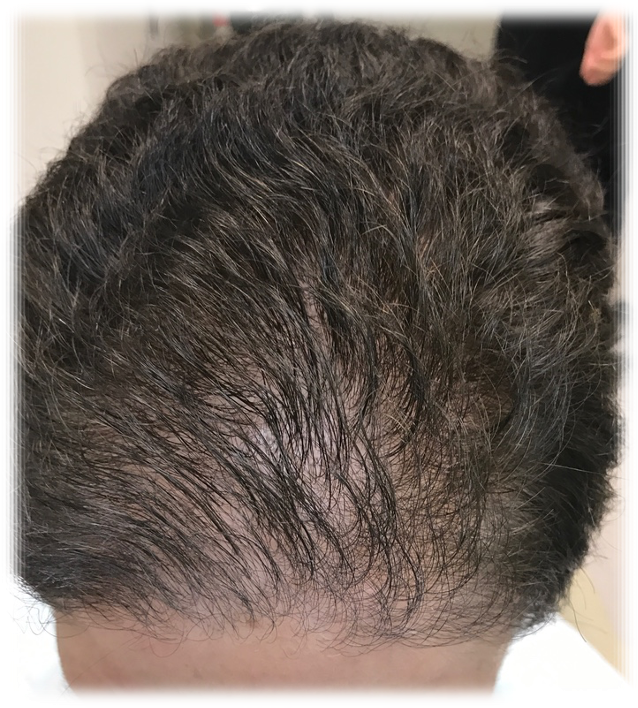
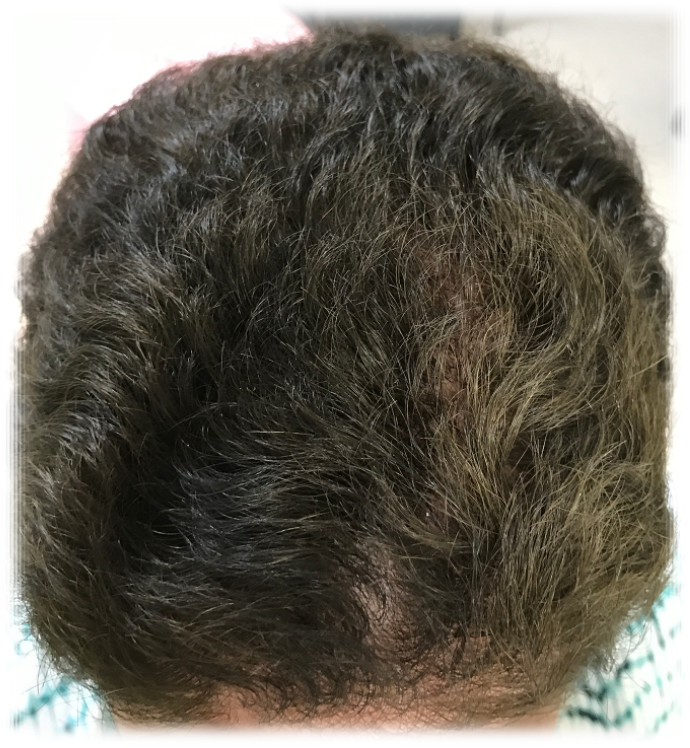
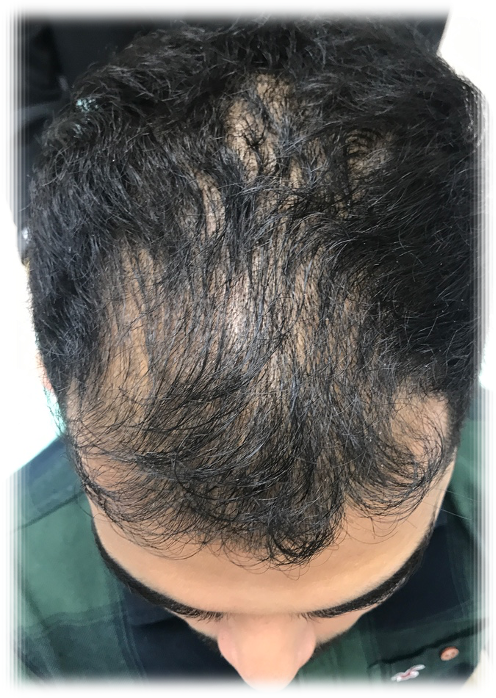
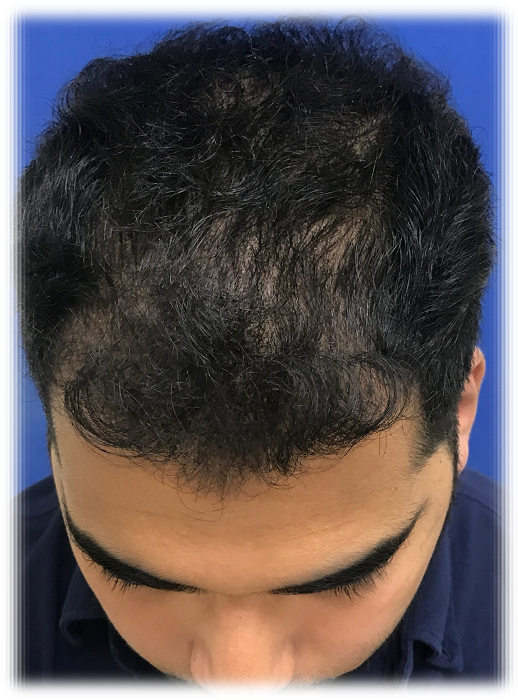
Before After
Before understanding how microneedling helps, it’s important to understand why hair slows down or stops growing.
In many cases, the scalp environment becomes:
Your hair follicles don’t disappear—they just become inactive or “asleep.”
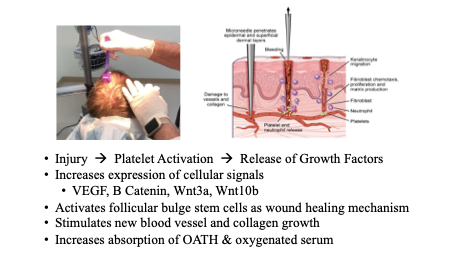
Microneedling works by triggering your body’s natural repair system. Here’s what happens step by step:
The tiny micro-injuries tell your body to start repairing the area.
This releases powerful natural growth signals like:
These are the same signals your body uses to heal wounds.
Your body sends more blood to the area to repair it.
More blood flow means:
Inside each hair follicle is a structure called the dermal papilla—this is the control center for hair growth.
Microneedling helps reactivate this area, essentially telling the follicle:
“It’s time to grow again.” Consistency is the key.
Microneedling also creates tiny channels in the scalp.
This allows treatments like:
to penetrate deeper and work more effectively.
Hair follicles sit deeper in the skin than most people realize.
This is why properly performed microneedling is key—it needs to reach the right depth to stimulate real change.
Microneedling doesn’t work overnight—but it builds results over time. Consistency is the Key!
Most people notice:
On its own, microneedling is powerful, but when combined with modern regenerative approaches it becomes even more effective.
Like:
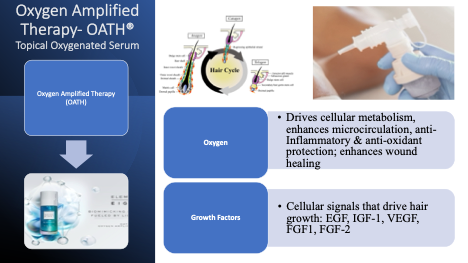
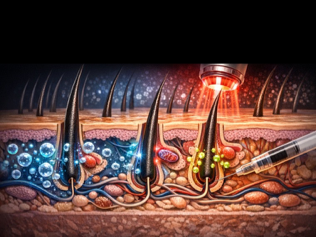
Stacking therapies that restore the scalp environment and reactivate natural growth. This is where the future of hair restoration is heading.
Microneedling works because it doesn’t “force” hair to grow.
It:
In simple terms: It helps your scalp remember how to grow hair again.